
Episodes
Season 1Season 2Season 3Season 4Season 5Season 6Season 7Season 8Season 9Season 10Season 11Season 12Season 13Season 14Season 15Season 16Season 17Season 18Season 19Season 20Season 21Season 22Season 23Season 24Season 25Season 26Season 27Season 28Season 29Season 30Season 31Season 32Season 33Season 34Season 35Season 36Season 37
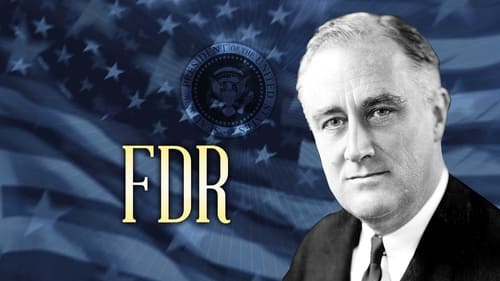 1. FDR (1): The Center of the World (1882-1921)Polio at age 39, president at age 50. Explore the public and private life of a determined man who steered the United States through two monumental crises: the Depression and World War II. FDR served as president longer than any other, and his legacy still shapes our understanding of the role of government and the presidency. A film by award winning filmmaker David Grubin.
This first episode looks at the early life of FDR. Born into a wealthy family, there was little about his youth that would suggest the giant of history that he would become. His entry into state politics and a significant meeting with a woman named Eleanor would change his life and the course of a nation.2. FDR (2): Fear Itself (1922-1933)In this second episode, the subject is FDR's courageous fight with polio. With his wife Eleanor Roosevelt at his side, FDR, wins the Democratic nomination for president. He takes office at the beginning of the Great Depression. Exhorting the nation to keep the faith, FDR utters his famous words: "The only thing we have to fear is fear itself."3. FDR (3): The Grandest Job in the World (1933-1940)In episode 3, the subject is FDR's leadership of America during the Great Depression. The nation turned to this son of great wealth for a host of social programs that promised a New Deal for the common man.4. FDR (4): The Juggler (1940-1945)The portrait of Franklin Delano Roosevelt concludes with his years as preside (1932 until his death in 1945), how he dealt with the Great Depression, and his link with Winston Churchill during World War II.
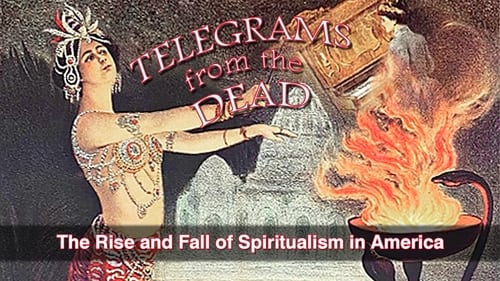 5. Telegrams from the DeadFor 40 years, a new religion called spiritualism affected the nation as no other ever had. Abraham Lincoln, P.T. Barnum, Frederick Douglass, senators, and scientists argued over the discoveries of the spirit world as revealed through mediums. Congress debated whether to provide $40,000 to research the feasibility of using the new wireless technology to reach the other world. But by 1880, as one spectacular fraud after another was revealed, the movement began to fade.
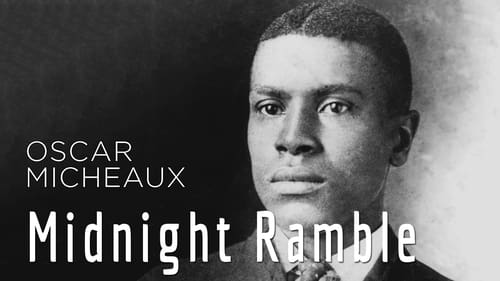 6. Midnight RambleThe little-known story of a black independent film industry that thrived outside of Hollywood and produced close to 500 feature movies for African American audiences between 1910 and 1940. Many race movies tackled some of the difficult social issues that confronted black urban society: alcoholism, crime, morality, class conflict, even racism and lynching, setting the stage for today's independent black cinema movement.
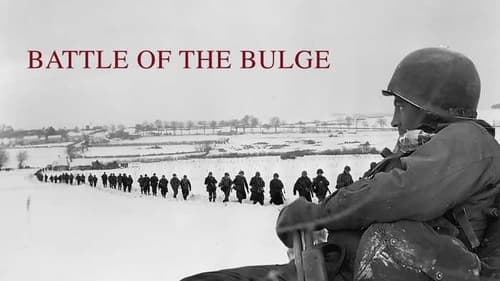 7. Battle of the BulgeThe history of World War II's "Battle of the Bulge", when the German army launched a major surprise counteroffensive against the American forces that caught them almost completely off-guard, sweeping away major portions of the front line, pushing deep into the rear areas and causing tens of thousands of casualties before it was finally halted.
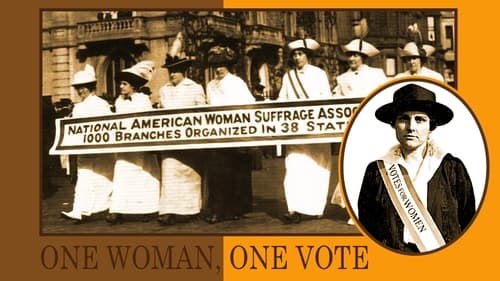 10. One Woman, One VoteFrom Elizabeth Cady Stanton's electrifying call to arms at Seneca Falls in 1848, to the last battle for passage of the Nineteenth Amendment in 1920, a recounting of the infighting, the alliances and betrayals, defeats and victories on the way to winning the right to vote. The struggle split the suffragist movement into two opposing forces: the militants who faced imprisonment and riots and those who argued for a quieter, more persuasive ways. Both tactics, it turned out, were needed.
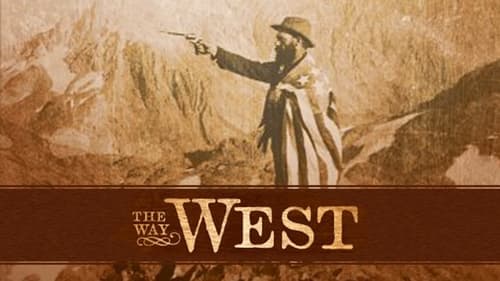 11. The Way West (1): Westward, the Course of Empire Takes Its Way (1845-1864)A six-hour documentary of how the West was lost and won, from the time of the Gold Rush in 1848 until after the last gasp of the Indian Wars at Wounded Knee in 1893, when the West was settled, subdued, exploited and incorporated into the American empire. Lakotas, Cheyennes, Kiowas, Poncas, Apaches, Nez Perces and Utes fought back, then watched as everything they had was taken from them, their way of life all but destroyed.12. The Way West (2): The Approach of Civilization (1865-1869)A six-hour documentary of how the West was lost and won, from the time of the Gold Rush in 1848 until after the last gasp of the Indian Wars at Wounded Knee in 1893, when the West was settled, subdued, exploited and incorporated into the American empire. Lakotas, Cheyennes, Kiowas, Poncas, Apaches, Nez Perces and Utes fought back, then watched as everything they had was taken from them, their way of life all but destroyed.13. The Way West (3): The War for the Black Hills (1870-1876)A six-hour documentary of how the West was lost and won, from the time of the Gold Rush in 1848 until after the last gasp of the Indian Wars at Wounded Knee in 1893, when the West was settled, subdued, exploited and incorporated into the American empire. Lakotas, Cheyennes, Kiowas, Poncas, Apaches, Nez Perces and Utes fought back, then watched as everything they had was taken from them, their way of life all but destroyed.14. The Way West (4): Ghost Dance (1877-1893)A six-hour documentary of how the West was lost and won, from the time of the Gold Rush in 1848 until after the last gasp of the Indian Wars at Wounded Knee in 1893, when the West was settled, subdued, exploited and incorporated into the American empire. Lakotas, Cheyennes, Kiowas, Poncas, Apaches, Nez Perces and Utes fought back, then watched as everything they had was taken from them, their way of life all but destroyed.